11 Easy Succulents That (Almost) Water Themselves
11 Easy Succulents That (Almost) Water Themselves
If you’ve ever searched for the best succulents for beginners, you’ve seen the same list a hundred times: “10 easy succulents!” “15 low-maintenance varieties!” And then you brought one home, watered it every Sunday like a good plant parent, and watched it turn to mush anyway.
Here’s the part most lists leave out. Easy succulents are not plants that need nothing. They’re plants that need very few things — exactly four, in fact — and the moment you give them those four things, they genuinely do almost water themselves.
This is the fall edition, because right now, before the temperatures drop, is the best time in the whole year to set up a succulent collection. This is the setup I’d hand to anyone who’s killed one already.
What “almost water themselves” actually means
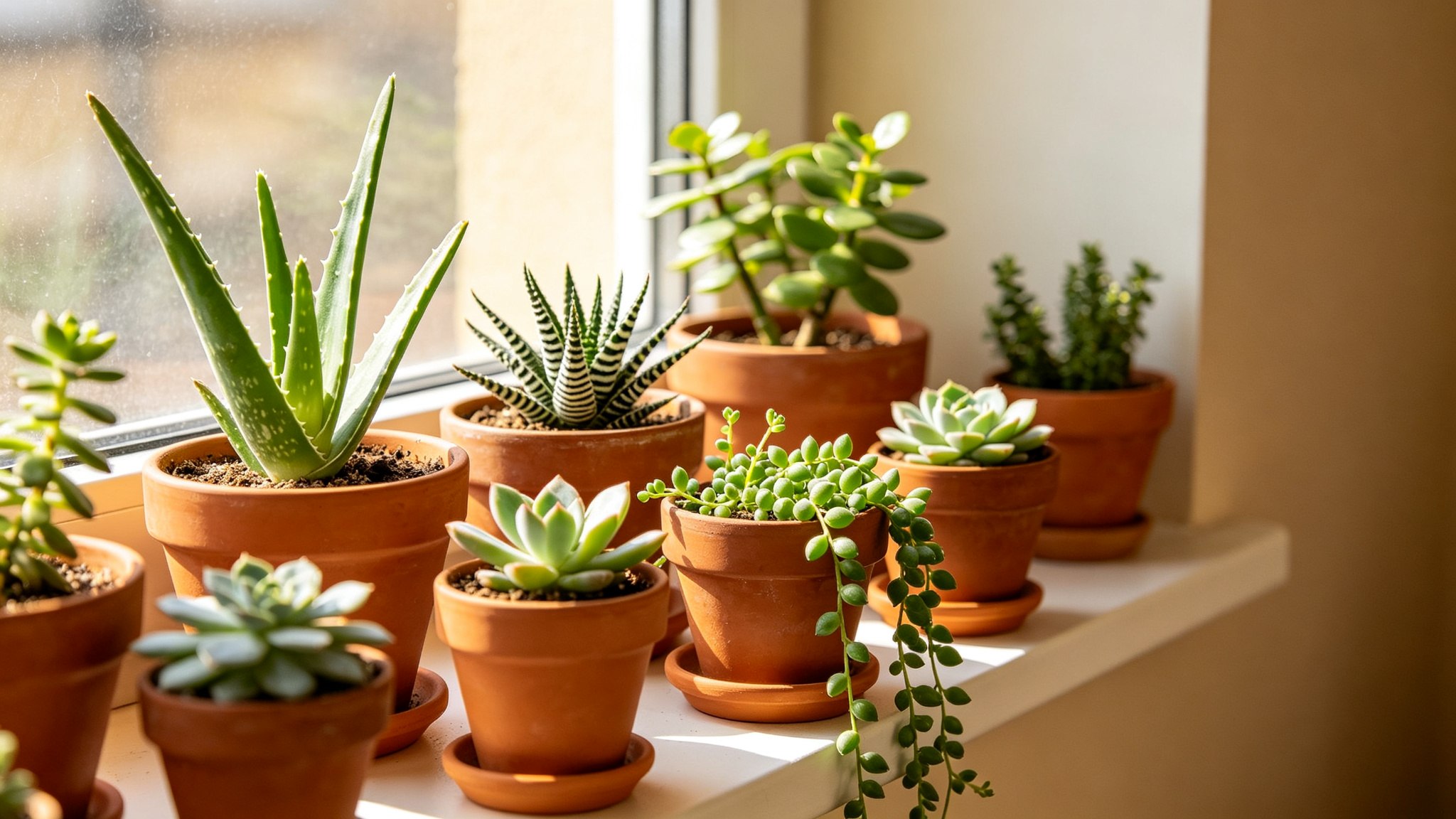
Most people kill succulents the same way they kill cacti: with kindness. The plant is built to store water in its leaves, so it needs far less than you think. When the soil is bone dry and you water it deeply, then leave it alone until it’s bone dry again, the plant does the rest. That rhythm — soak, dry, ignore — is the whole secret, and it’s why these are the lowest-maintenance houseplants you can buy.
The other part of the promise is light. Easy succulents tolerate a lot, but “easy” dies quietly in a dark corner. Give any plant on this list a bright windowsill, the right soil, a pot with a hole, and the discipline to water less, and it will outlive your patience for it.
The 11 easiest succulents to keep alive
These aren’t ranked by beauty — they’re ranked by how much neglect they’ll forgive. Pick two or three to start; the whole point is a collection that doesn’t babysit you back.
1. Aloe vera. The classic starter succulent, and deservedly so. It wants bright, indirect light — a south-facing windowsill is perfect — and water every two to three weeks. Forget it for a month and it shrugs. Bonus: the gel inside the leaves genuinely helps with minor burns, which makes it the one houseplant people actually use. It’s sensitive to cold, so it comes inside early in fall.
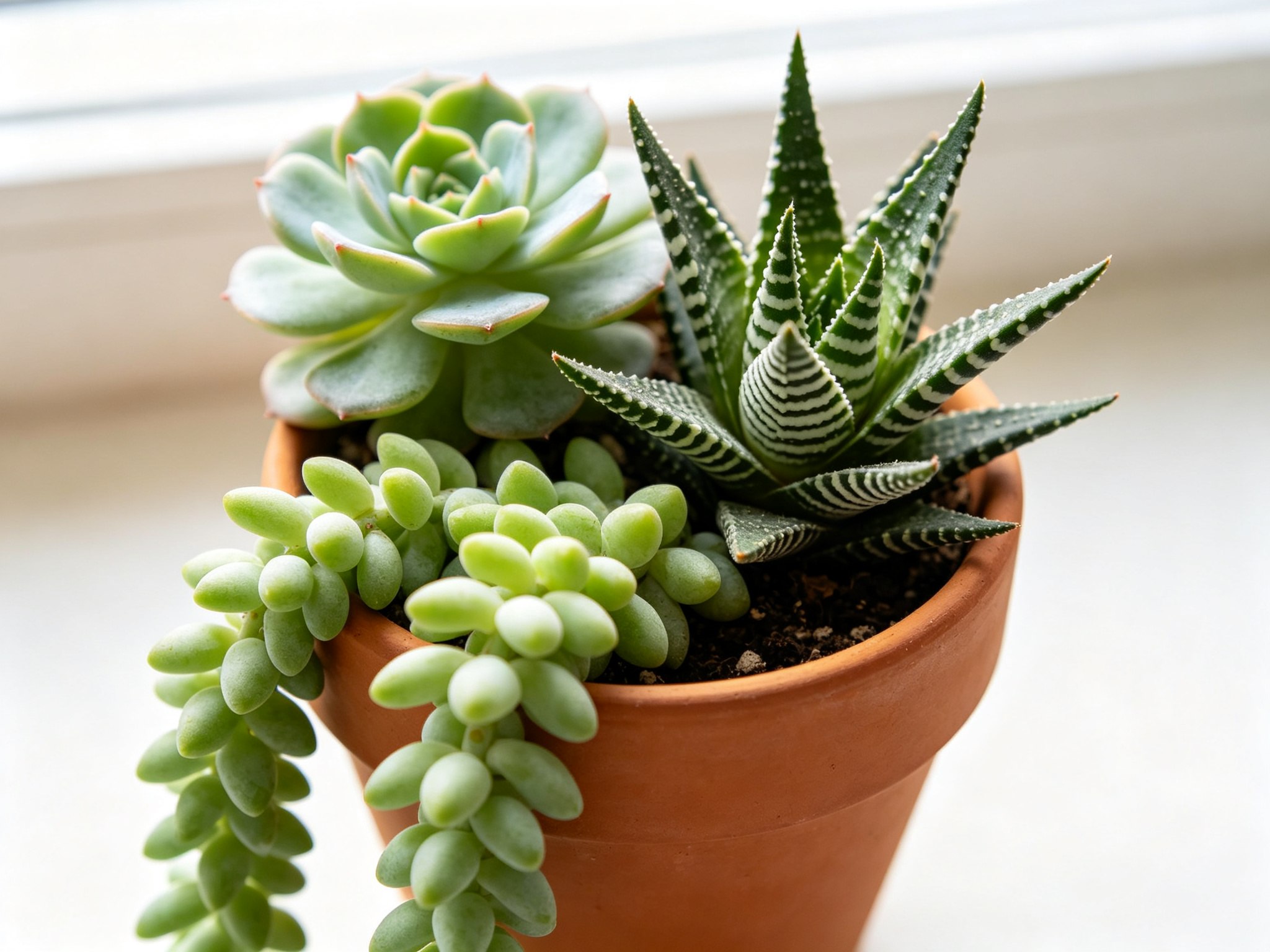
2. Zebra Haworthia (Haworthiopsis fasciata). The number-one recommendation from growers who need something easy. It’s happy on a desk or a north-ish windowsill, needs less light than most succulents, and tolerates irregular watering. The white ridges on the leaves are fun to rub, which sounds silly until you own one.
3. Burro’s Tail (Sedum morganianum). A trailing succulent with plump, blue-green leaves that look like little grapes. It’s one of the most forgiving plants I know: it bounces back from both underwatering and overwatering, and it can go several weeks without a drink. It does want bright light, and its leaves fall off if you bump it, so put it somewhere you won’t brush past it daily.
4. Jade Plant (Crassula ovata). The old friend of the succulent world. Jade is patient and communicates clearly: when it’s thirsty, the plump leaves go slightly soft and wrinkly. Water it deeply, let it dry completely, repeat. Over years it grows a thick, woody trunk that makes it look like a tiny tree — which is why it’s the succulent people keep for decades.
5. Gasteria. The underrated workhorse. Rough, tongue-shaped leaves, extremely tolerant of lower light, and it barely notices missed waterings. If your apartment only has one decent window and it’s already claimed by something else, this is the plant that still thrives.
6. Haworthia cooperi. A small, translucent-leaved Haworthia that’s even more forgiving than the zebra. Bright indirect light, water when dry, ignore otherwise. It stays tiny, which makes it perfect for a desk or a shelf.
7. Ghost Plant (Graptopetalum paraguayense). Pale, dusty-looking rosettes that tolerate a surprising amount of bad treatment. It stretches in low light without dying, which is more than most succulents can say. Give it sun and it flushes pink at the edges.
8. Panda Plant (Kalanchoe tomentosa). Soft, fuzzy silver-green leaves with brown spots. It wants bright light and very little water, and it’s one of the most tactile plants on this list. If you have pets, double-check toxicity before buying — but it’s a lovely beginner plant either way.
9. Hens and Chicks (Sempervivum). The outlier on this list: it’s cold-hardy, so in many zones it can actually stay outdoors through winter. Indoors, it’s an easy, sun-hungry rosette that produces little offsets (“chicks”) around the mother plant. It needs more direct sun than most indoor spots provide, so give it your brightest window or a grow light.
10. Stonecrop (Sedum). The creeping, ground-cover cousin of burro’s tail. Tough, fast to grow, and forgiving of both heat and drought. Some varieties handle cold too, which makes them a flexible choice for people who aren’t sure what their space can support.
11. Echeveria. The one on this list that asks for a little more — and the one that makes a collection look curated. Rosette-shaped, and the colorful types (lilac, blue-green, pink-tipped) need strong light to hold their color. In a bright south window they’re easy; in winter, they’re the plant that most needs a grow light, which is exactly why this one earns its place here.
The 4 things you need to keep them alive
Everything above collapses into four purchases. Get these right and the plants do the rest.
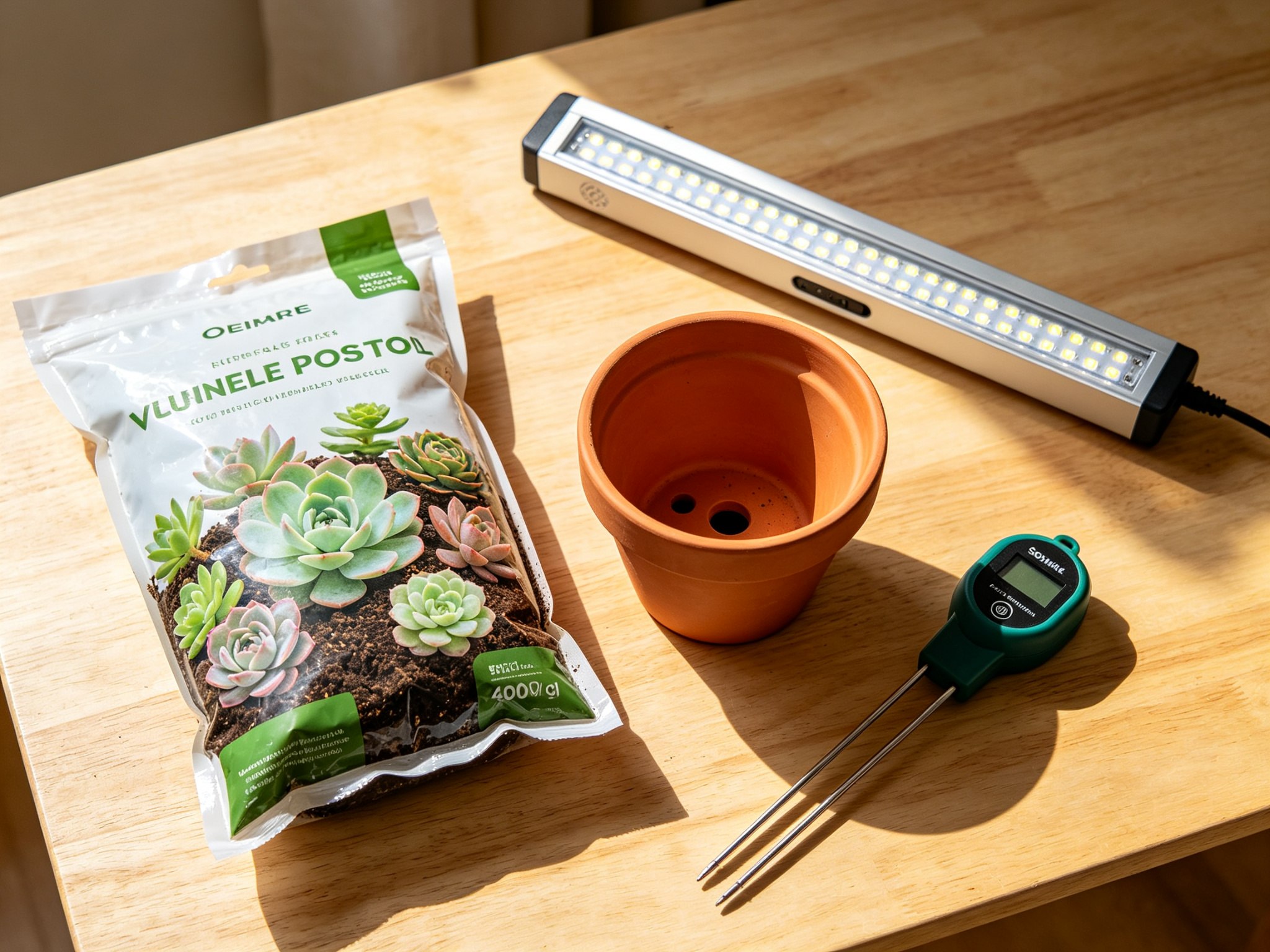
1. Succulent soil. Regular potting soil holds water, which is the opposite of what these plants want. A bagged succulent and cactus mix, ideally one you cut with perlite or pumice, drains fast and lets roots breathe. This is the single cheapest insurance policy in houseplant care.
2. A pot with a drainage hole. Non-negotiable. A succulent in a sealed decorative pot is a succulent standing in a puddle; the rot just hasn’t started yet. Unglazed terracotta is best for beginners because moisture escapes through the walls too, and the pot should be only slightly wider than the root ball — a 4-inch plant wants a 4- or 5-inch pot, not a 10-inch one.
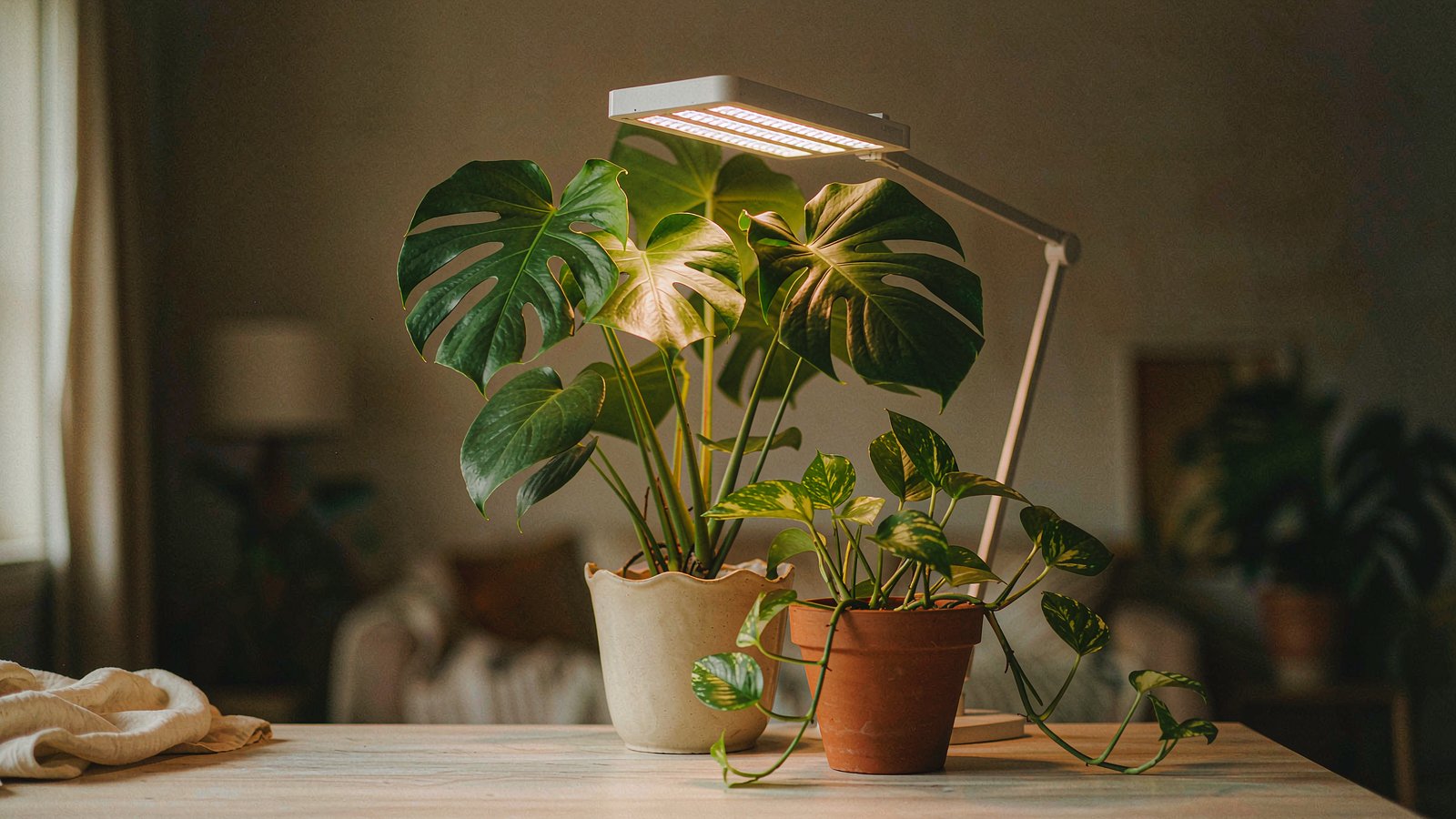
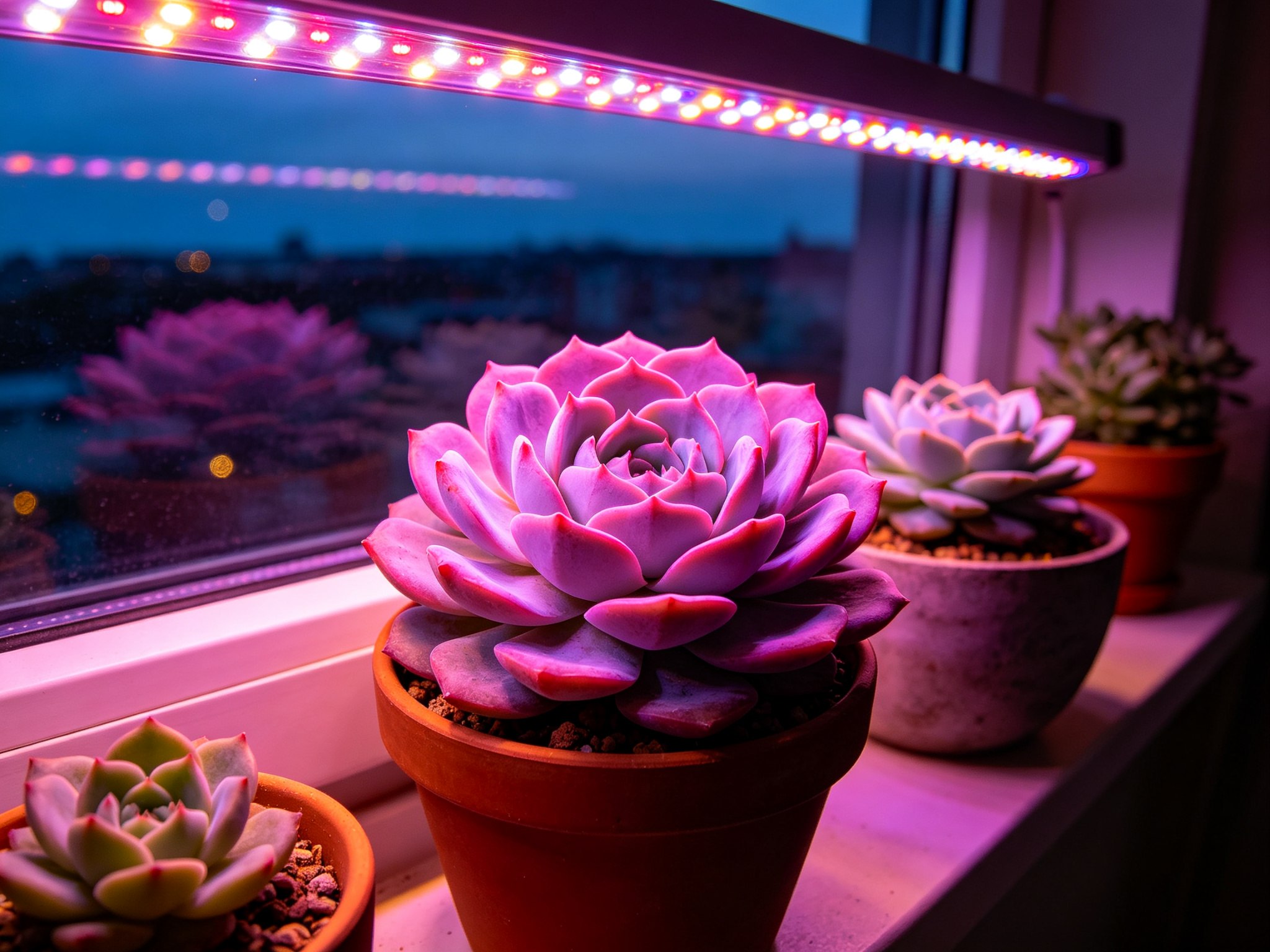
3. A grow light (for winter and dark rooms). Most succulents need four to six hours of bright light a day. If your windows face north, or winter days are short, a full-spectrum LED grow light closes the gap. For the colorful Echeverias, look for full-spectrum lights around 5000–6500K, mounted 6 to 12 inches above the plant, running 12 to 14 hours a day on a timer.
4. A soil moisture meter or a long-spout watering can. One of these, not both. A cheap moisture meter takes the guesswork out of “is it dry yet?” — water only when it reads dry. A long-spout can is the alternative: it lets you water the soil, not the leaves, and it makes the deep soak easy to aim.
The watering trick behind “almost water themselves”
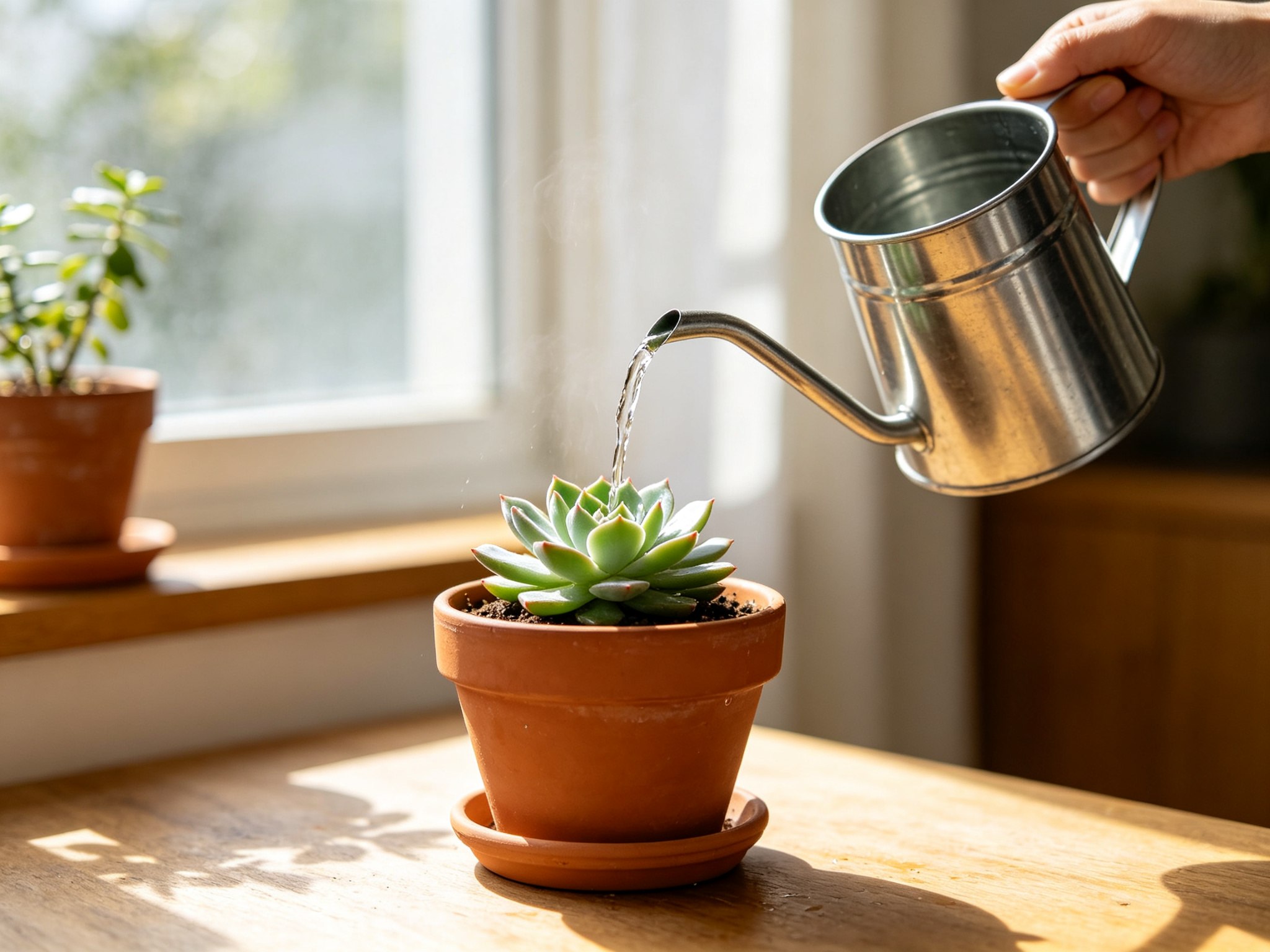
Forget the calendar. Succulent watering is a moisture test, not a schedule. Water deeply until water runs out the drainage holes, then wait until the soil is completely dry before watering again. Not “mostly dry” — dry, all the way through the pot.
The test that works is a wooden chopstick. Push it two to four inches into the soil, leave it a minute, pull it out. Clean and dry crumbs? Water. Damp soil stuck to the wood? Wait.
As a rough rhythm for most homes:
| Season | Watering | Notes |
|---|---|---|
| Spring & summer | Every 2–3 weeks | Soak fully each time |
| Fall | Every 3–4 weeks | Taper off as days shorten |
| Winter | Once a month or less | Often skip entirely |
Two hard rules. Never mist a succulent — humidity invites rot, and these plants have no use for it. And never water on a fixed weekly rhythm just because it’s convenient. That single habit accounts for most succulent deaths.
Light: why your windowsill decides everything
A succulent that isn’t getting enough light tells you clearly, just slowly. It grows taller and thinner than it should, and the leaves fade toward pale green. That stretching is permanent — it won’t thicken back up once conditions improve.
Aim for four to six hours of bright direct light. South-facing is the goal; west is next best. If your best window faces north, either pick the low-light-tolerant plants on this list (zebra haworthia, gasteria, haworthia cooperi) or budget for a grow light (see our grow lights for indoor plants guide for what to look for).
That’s also the honest answer to “succulents for low light apartments”: the plant selection matters more than the apartment. Match the plant to the light you actually have, and the whole hobby gets easier.
What changes in fall
Fall is when the “almost water themselves” promise gets tested, because the plants are heading into dormancy. Three things to do now:
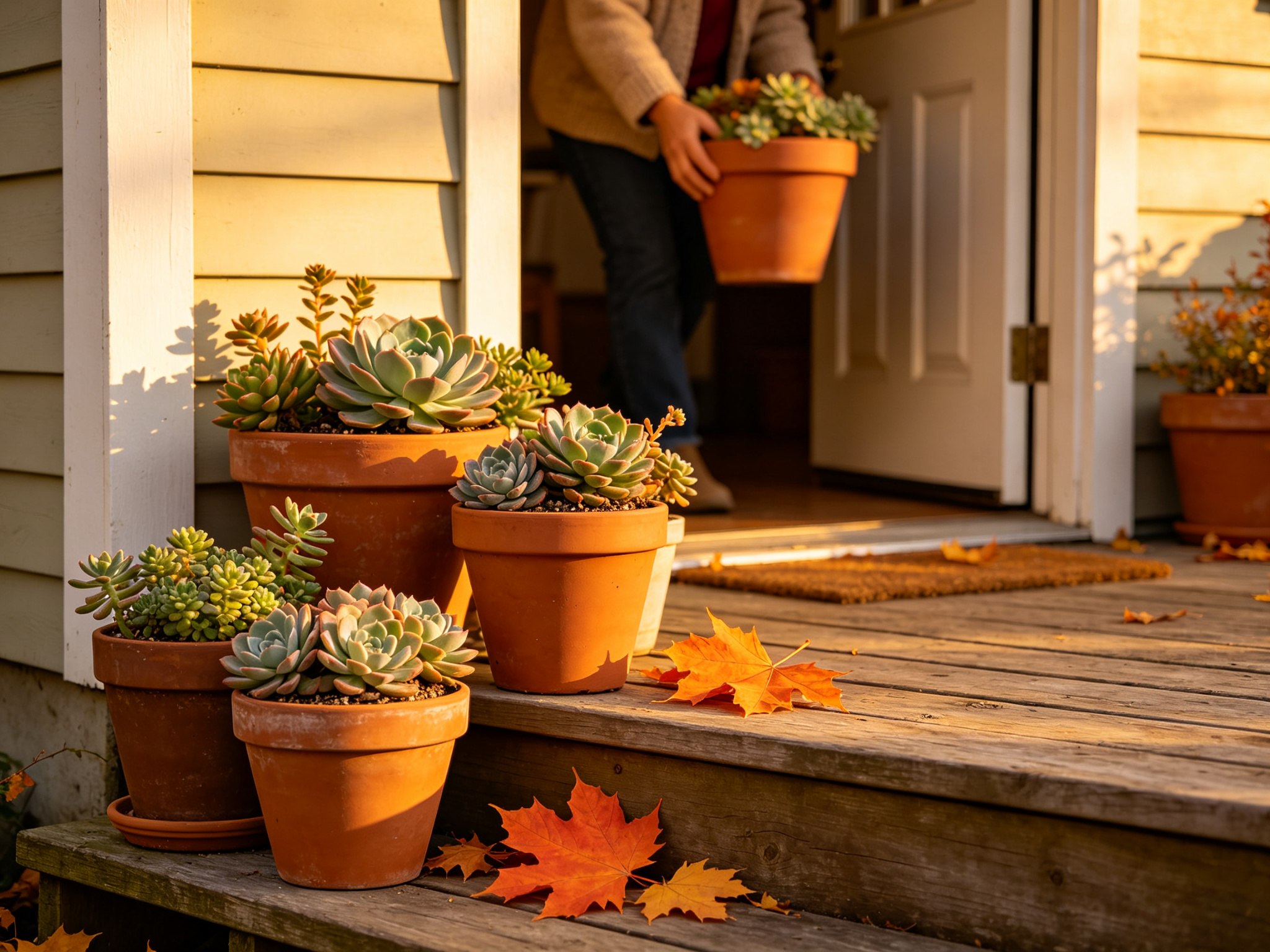
- Bring tender succulents in before the cold. If yours spent summer outside, start the move when nighttime temperatures consistently dip below 50°F — soft succulents like Echeveria should be inside before it hits 40°F. Here’s the full fall checklist for that move.
- Set up the grow light early. If your succulents live indoors year-round, shorter fall days mean less light. Start running a grow light before the stretching starts, not after.
- Stop fertilizing. Dormant succulents don’t need food, and fertilizer salts build up in soil that isn’t being flushed. Resume in spring.
What to buy for your first succulent setup
If you’re starting from zero, this is the shopping list I’d hand to a friend. A beginner-friendly succulent combo pack (three to six plants) covers the collection; a single showpiece like a variegated or crested Echeveria adds the collector’s thrill. Pair them with a bag of succulent mix, a terracotta pot or two with drainage, a full-spectrum grow light for winter, and a moisture meter. Add slow-release succulent fertilizer for spring, and a long-spout watering can if you skipped the meter.
That’s a complete first setup — the plants, the soil, the pots, the light, and the watering tools — in one order, usually for $40 to $90 depending on how fancy the pots get.
FAQ
What are the easiest succulents to keep alive?
Aloe vera, zebra haworthia, jade plant, and burro’s tail top the list. They tolerate missed waterings, bounce back from neglect, and thrive on a bright windowsill.
How often do I water indoor succulents?
Only when the soil is bone dry all the way through — usually every two to three weeks in the growing season, once a month or less in winter. Use the soak-and-dry method and a chopstick or moisture meter to check.
Do succulents need grow lights indoors?
Most need four to six hours of bright direct light. If your windows face north or winter days are short, a full-spectrum LED grow light six to twelve inches above the plant for 12 to 14 hours a day closes the gap.
Why is my succulent growing tall and skinny?
That’s etiolation — not enough light. The stretched growth won’t reverse, but moving the plant to a brighter window or adding a grow light will make new growth come in compact and normal.
Do succulents need to come inside for winter?
Tender succulents do. Start the transition when nights consistently drop below 50°F, and get soft types inside before 40°F. Cold-hardy exceptions like hens and chicks can often stay out.
The short version (your buying checklist)
If you read nothing else, take these five things to the store. A succulent that matches the light you actually have. A bag of succulent mix, plus perlite to loosen it. An unglazed terracotta pot with a drainage hole, only slightly wider than the root ball. A moisture meter or a wooden chopstick. And a commitment to water less than feels right.
Start with the soil and the pot — they solve most beginner problems before the plant even goes in. If light is your limiting factor, spend your money there and pick up a grow light before you buy a fifth succulent for a windowsill that can’t support one.
The plants will handle the rest. They’re patient, they forgive almost everything except too much water, and once you’ve got the four things right, they really do almost water themselves.
Disclosure: Some links in this post are affiliate links. If you buy through them, I may earn a small commission at no extra cost to you. See the full affiliate disclosure.