I Killed a Cactus, and Fell in Love With Balcony Gardening
I Killed a Cactus, and Fell in Love With Balcony Gardening
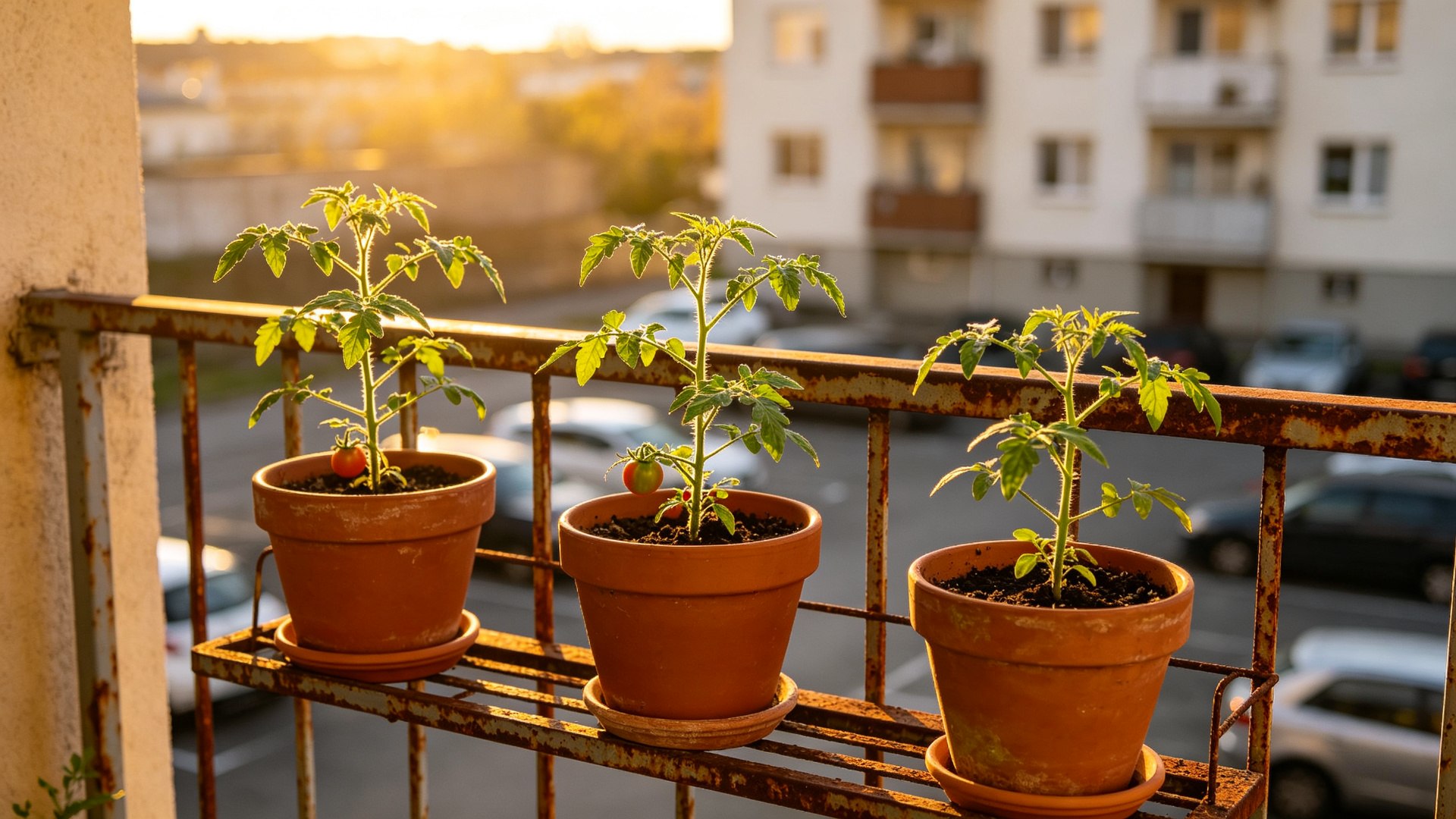
Nobody starts a balcony garden expecting to kill a cactus. I did. But let me back up, because the cactus came late in the story, and by then I was already an expert at killing other things.
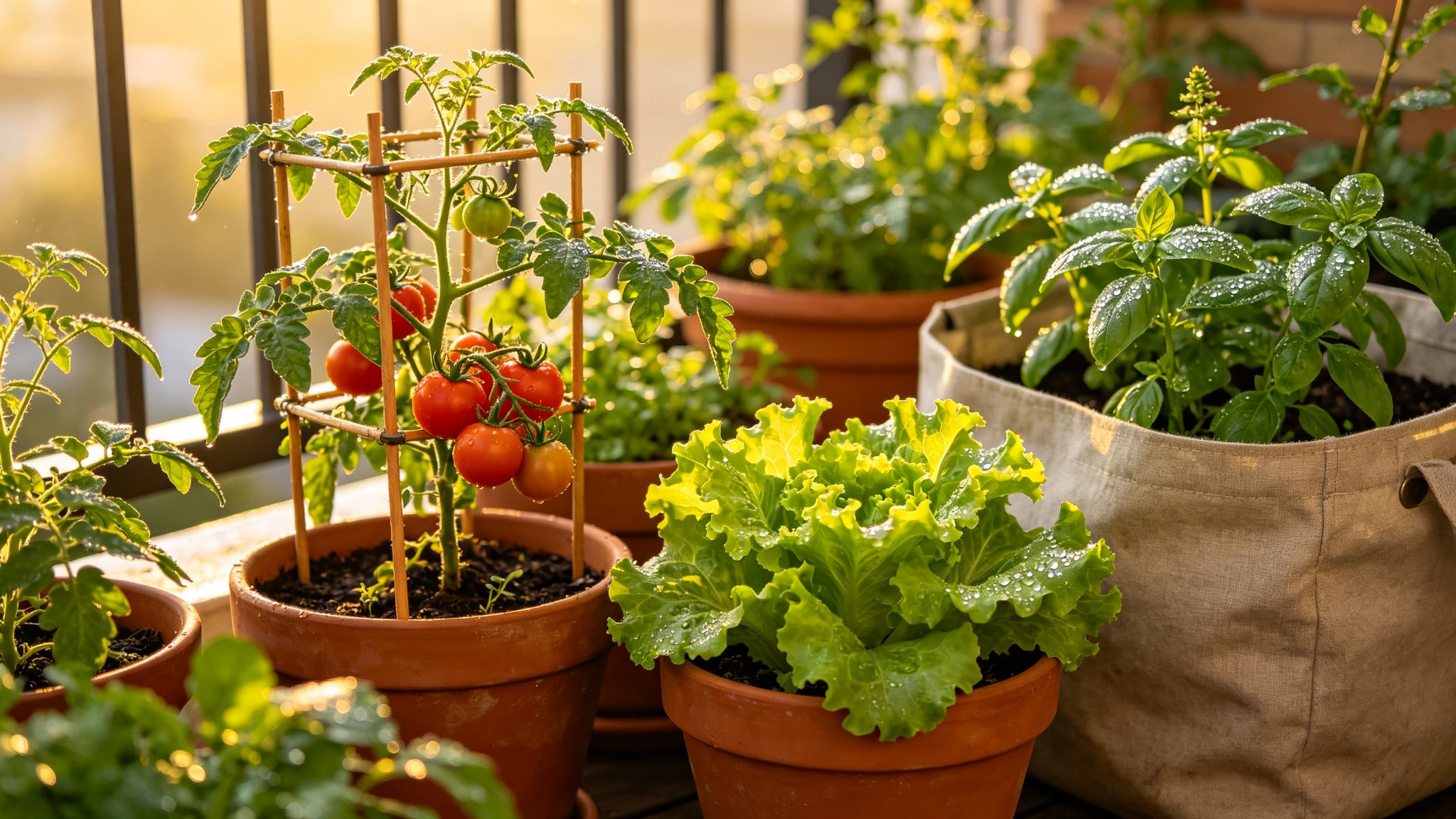
The balcony came with the apartment. It was small — about the size of a bathtub, with a rusted railing and a view of the parking lot. I had no plans for it. Then, one warm Saturday in spring, I walked out of the hardware store with three little tomato plants in flimsy plastic pots, and I carried them up three flights of stairs like they were made of glass, and I set them down and stood there, hands on my hips, absolutely radiant with confidence.
I had a garden now. That was the whole plan. The plan did not extend much further.
The Drowning
Everything I knew about plants could fit on one hand: they need water. That felt like enough. So I watered my tomatoes every single day, because that’s what a responsible gardener does. Every evening I came home, filled a cup, and gave each plant a generous drink. Sometimes I watered them twice, if I’d had a long day and it felt soothing.
The soil turned to soup. I didn’t know what soup looked like in soil. I just thought, good, it’s very hydrated.
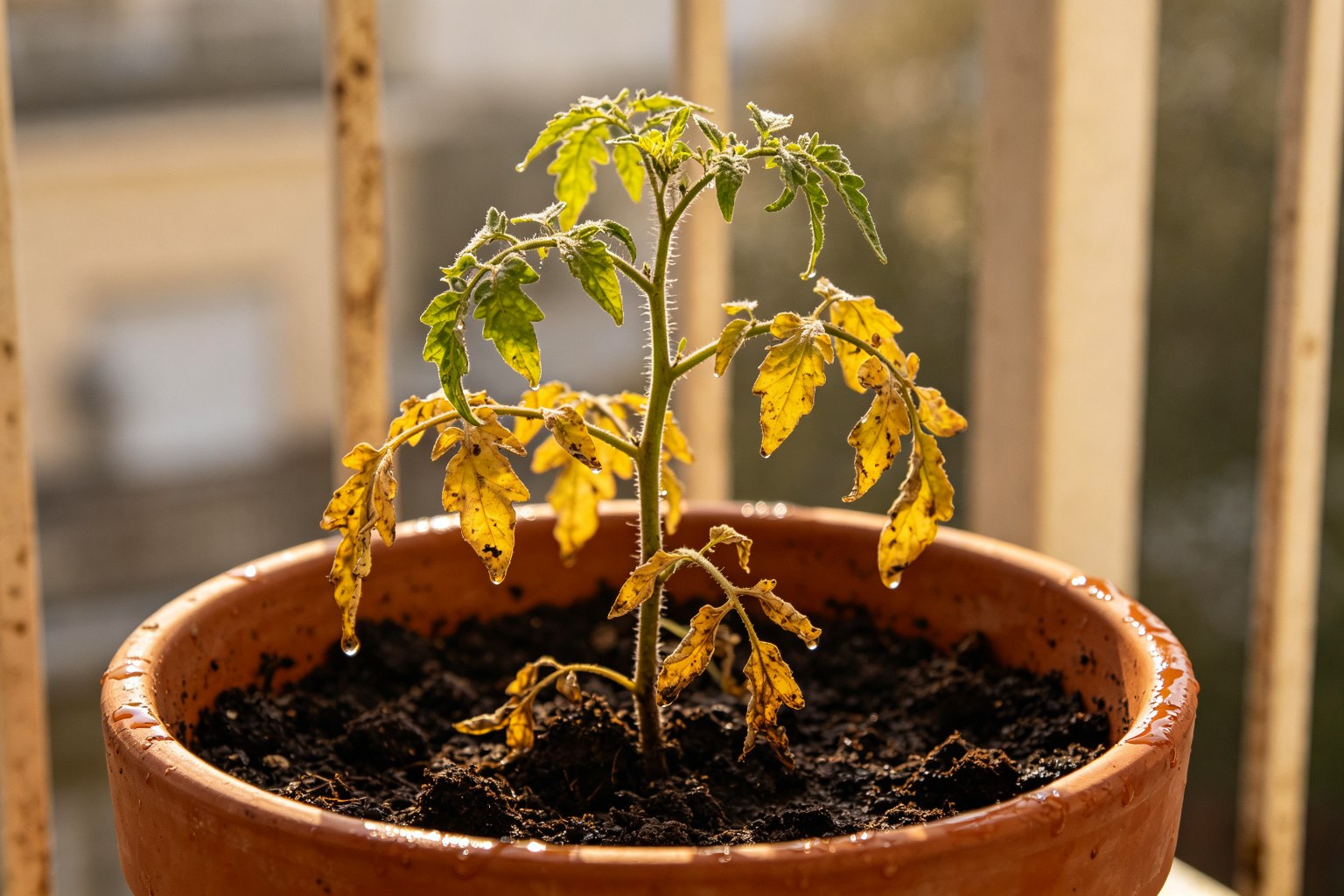
The tomatoes knew. Within two weeks, the leaves started yellowing at the edges, curling like tiny umbrellas in the rain. I googled “yellow tomato leaves” and got thirty different answers, none of which mentioned the cup of water I was pouring into each pot every evening. Then a cloud of tiny flies appeared — fungus gnats, I’d learn later — drifting up from the pots whenever I touched them. The soil had a smell. I was standing on a balcony-sized swamp, and my tomato plants were drowning.
The first one went quietly. The leaves drooped, the stem softened, and one morning it just lay over the soil like it had given up mid-argument. I tried to revive it. I watered it.
The Drought
I learned my lesson. I did. I learned it so hard that I swung the whole way to the other side.
Fine, I thought. Plants need water, but they don’t need THAT much water. Clearly I had been overdoing it. So I stopped. Completely.
For two weeks, I did not touch the remaining tomatoes. I walked past the balcony with my hands in my pockets, refusing to be manipulated by a vegetable. The plants, for their part, began to die of thirst in a very pointed, passive-aggressive way. The leaves curled inward, crisp at the edges. The soil pulled away from the sides of the pots, shrinking into a hard little puck.
When I finally broke and went out there, the second tomato plant was basically a brown stick with an attitude problem.
The Wrong Soil
This, I decided, was the soil’s fault. The soil was wrong. I’d bought whatever was cheapest — a bag that said, I’m not making this up, “Garden Soil.” I assumed garden soil was for gardening, and I was technically right. It’s for gardening in the ground. In a pot, garden soil turns into something between cement and regret, and the roots sit in it like someone waiting for a bus that was cancelled.
So I bought new soil. The expensive one, with the smiling plant on the bag. I repotted the survivor — the last tomato, a scrawny cherry tomato that had clearly decided to outlast me out of spite. I gave it drainage, better soil, and the exact right amount of water, which I determined by sticking my finger in the dirt and looking at it thoughtfully.
It was, I have to say, the best it had ever looked. For about a week.
The Cactus
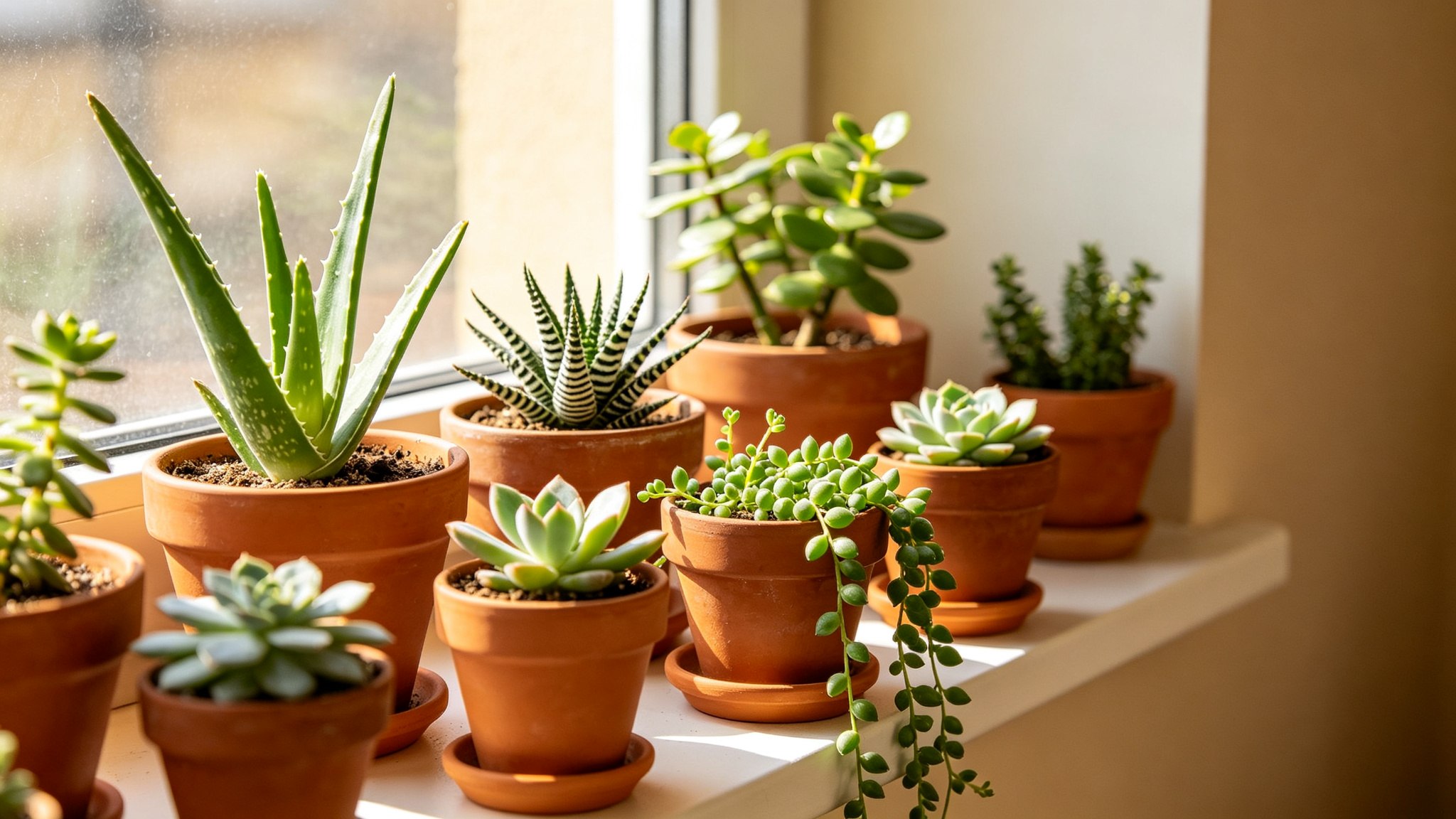
By early summer, I was tired of failing at a plant that grows in practically every country on earth. So I bought a cactus.
A cactus. The plant that survives on neglect. The plant that lives in deserts, where the strategy is literally “do less.” The plant that you have to actively work at killing. Everyone knows you can’t kill a cactus.
I gave it a lovely pot with no drainage holes — I still didn’t fully understand drainage — and I watered it every few days, because after the drought I was terrified of underwatering anything. (The cactus care guide explains why that sealed pot was a death sentence, in case you’d rather learn it the cheap way.) I moved it around the balcony so it would have a nice view. I checked on it constantly. I loved it, deeply and fatally.
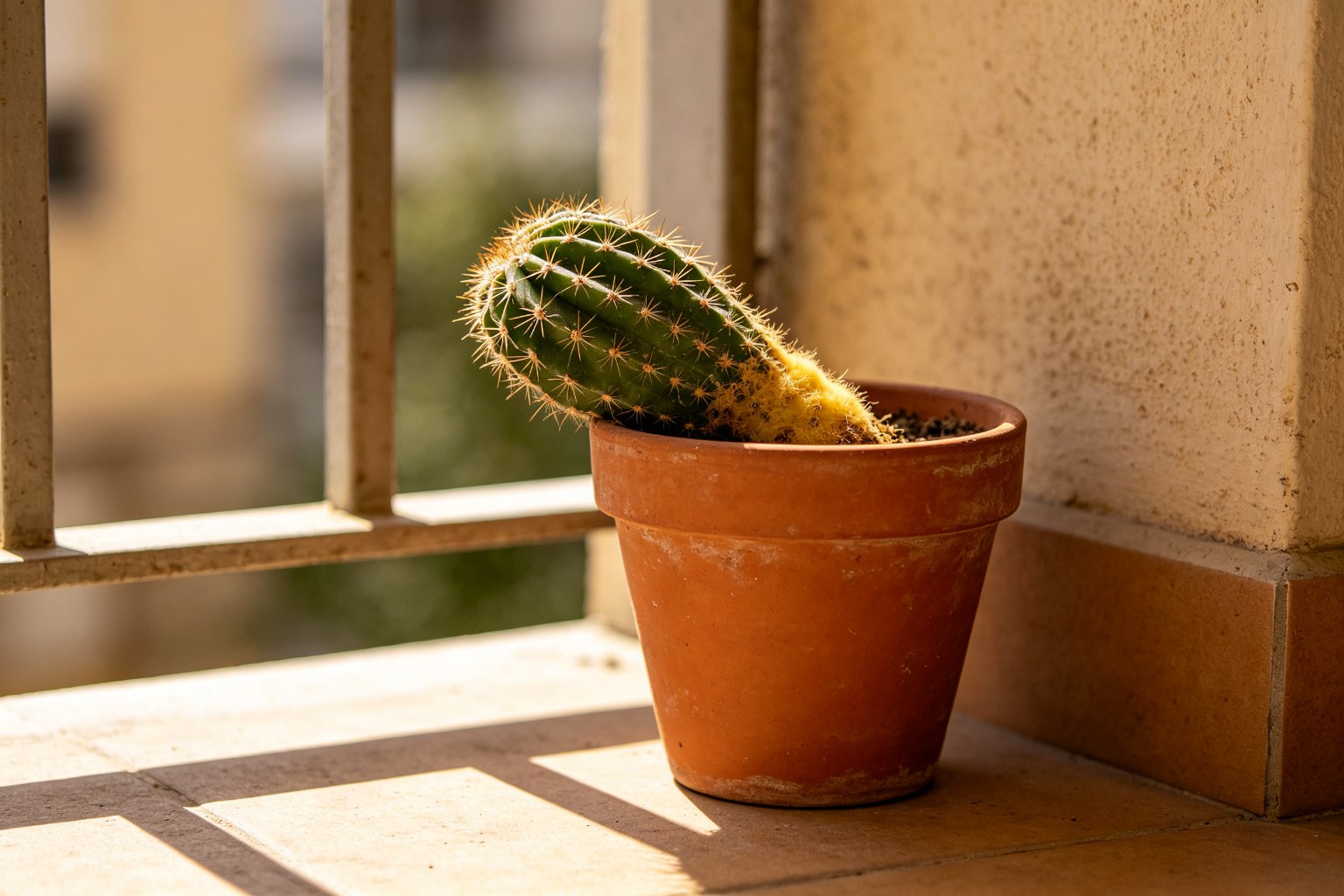
Cacti, as it turns out, do not want to be loved like that. They want to be forgotten. Mine went soft at the base, then yellow, then started leaning over like it had been at a party too long. Within a month it was a sad, mushy memory in a pot with no drainage, and I had become part of a very small, very dumb club: people who killed a cactus.
It takes real effort to kill a cactus. I put in the effort. I was determined and consistent, and I achieved a result that genuinely impressed people.
The Tomato
You would think, at this point, that I would have given up. The balcony had seen one drowned tomato, one desiccated one, a survivor, and a cactus I had killed with kindness. The body count was higher than the harvest. There was nothing on that balcony but evidence.
But here’s the thing nobody tells you about falling in love with growing things: it doesn’t happen on the good days. It happens in the middle of the mess.
Somewhere between the drowned tomatoes and the crispy cactus, I was out there every morning anyway. I’d step onto the balcony in my socks, coffee in hand, and just look. Not because I expected anything — I’d stopped expecting anything — but because I couldn’t stop.
And then one morning, it did.
The scrawny cherry tomato — the survivor, the spiteful one — had a flower on it. A small, yellow, unremarkable flower, the kind you’d walk past in a field. I nearly cried. (Years later, I wrote up the whole indoor cherry tomato plan, including the light setup I got wrong on that balcony.)
I didn’t water it more. I didn’t repot it. I’d finally learned the gardener’s hardest lesson, which is that the best thing you can do for a plant is mostly leave it alone and check on it anyway. The flower turned into a tiny green marble. The marble sat there for what felt like a month, and I checked it every single day, and I talked to it — quietly, so the neighbors wouldn’t hear.
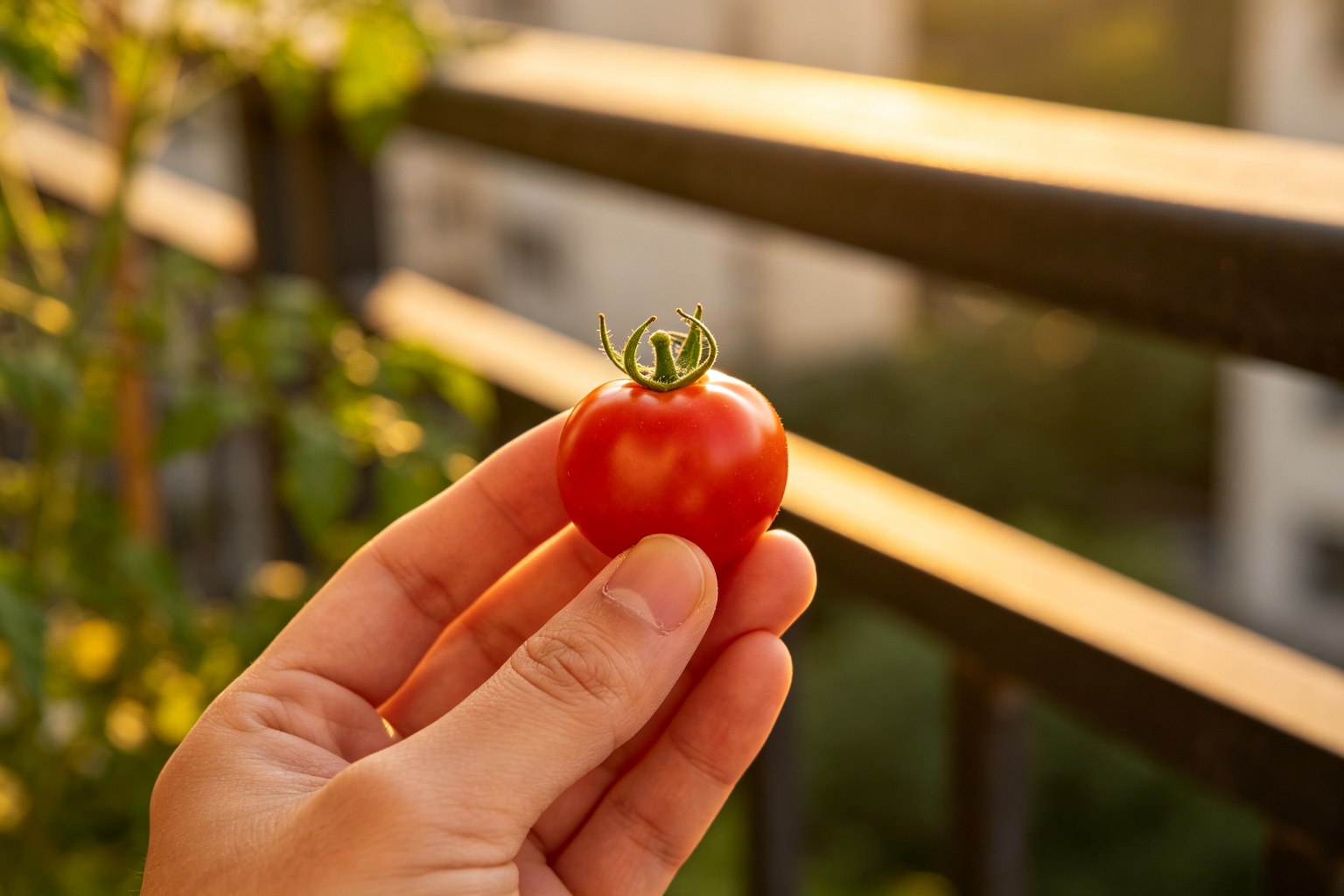
And then one evening, it was red. A real tomato. Small, imperfect, slightly lopsided, warm from the sun. The most expensive tomato in history, if you count the pots, the soil, the three plants, and the cactus.
I picked it, stood on the balcony, and ate it right there in the parking lot breeze.
I don’t remember what it tasted like. That’s the honest truth — it was probably fine, probably a little bland. But I remember the weight of it in my hand, and the absurd pride of having coaxed something from a plant into an actual fruit. It was the first thing I’d ever grown that grew back.
The Balcony Since
That was years ago now. The balcony is still small. So is my success rate, some years. I have killed plenty of things since: herbs, succulents, at least one plant I’m still not sure what it was. I keep a list in my head, or I did, until it got too long to be a list and became a bibliography.
But I never stopped checking on things in the morning. And somewhere between the drowned tomatoes and the crispy cactus, I fell in love with growing things — not because I was good at it, not even close, but because I couldn’t stop trying.
If you’re a first-time balcony gardener right now, standing in front of a drooping plant and wondering where you went wrong: you’re in good company. The most expensive tomato in my history taught me more than any perfect harvest could have. The failures weren’t the opposite of gardening. They were the gardening.
So grab a pot. Pick a plant. Water it a little too much, then a little too little, then figure it out. That’s the whole secret: you keep failing until the day you don’t.
Happy growing. Go check on your plants — but maybe put the cup down first.
Disclosure: Some links in this post are affiliate links. If you buy through them, I may earn a small commission at no extra cost to you. See the full affiliate disclosure.