How to Pick a Plant Gift That Doesn't End Up in the Trash
You want to buy a plant-loving friend something for Christmas. The fear is real: you pick the wrong thing and they have to pretend it’s great, or worse, the plant arrives dead and they feel guilty for wasting your money.
That’s the gap this article closes. It’s not a list of eight branded items. It’s a set of tests that tells you whether a gift will actually get used, plus a short map for the three people you’re most likely shopping for: the beginner, the busy person, and the person who already owns too many pots.
This is a working framework from the same problems that kill houseplants every winter. The picks that keep showing up on real shelves are the ones that solve those problems directly.
As an Amazon Associate I earn from qualifying purchases. Some links in this post are affiliate links — if you buy through them, I may earn a small commission at no extra cost to you.
Why plant gifts so often go wrong
Most gifts don’t fail because the recipient is ungrateful. They fail because the gift solves a problem the recipient doesn’t have, or creates work they didn’t sign up for.
Live shipped plants are the classic example. A tropical plant pulled from a warm nursery bench, packed into a dark box, and driven for three days through December cold arrives shocked at best and dead at worst. The recipient unboxes it, feels bad, and puts it on a shelf to quietly decline. They didn’t ask for a dying plant; they asked for a nice Christmas surprise.
Decorative arrangements are the second trap. A glued-together succulent bowl looks festive on the kitchen counter for two weeks. Then the succulents etiolate because the window behind them is too dim, the glued soil won’t let them root out, and the recipient is stuck with a pretty thing that is slowly dying in their living room. A gift that becomes a chore is not a gift. It’s an unpaid second job.
A plant gift, at the end of the day, is a promise that someone now has to water something, dust something, or find shelf space for it. The good ones are the ones that make that promise feel worth keeping.
Five tests a plant gift should pass
Run the candidate through these five before you buy. If it fails two or more, keep shopping.
1. Does it fix a real failure point they already have?
The best plant gifts address something the recipient already struggles with. Do they overwater every third plant? Then something that takes the guesswork out of watering is worth money. Do they complain that every windowsill in the apartment is too dim for new growth? Then light is the gap. Do they keep saying they have nowhere left to put another pot? Then a hanging option or a tool that makes their existing shelf work better is the win.
Gifts that invent a problem to solve, like a fancy mister for someone who already uses a spray bottle, almost never land.
2. Can they use it without learning a new skill?
A gift that requires a YouTube tutorial, a calibration ritual, or a second purchase of accessories is a gift with friction. The recipient has enough projects. The best plant gifts work out of the box, or close to it. If you’re handing them something that needs an app, a separate timer, or a special soil mix just to start, you’re asking them to do homework on Christmas morning.
3. Will it still be useful in March?
A one-season decoration is not a plant gift, it is a Christmas card with a price tag. A tool, a durable pot, or a grow light will still be doing a job in six months. That’s the bar. If the object exists only to look nice next to a wreath in December, you’re buying decor, not a gift that earns its keep.
4. Does it fit the space they actually live in?
Before you order a four-tier wooden plant stand, know whether they have four-tier corner space for it. A heavy glazed pot is fine for a house with hardwood floors; it’s a disaster for a small apartment where everything sits on a rickety shelf above a radiator. Measure the window, the shelf, the outlet. A gift that arrives and immediately has to be stored in a closet because it doesn’t fit is a worse outcome than no gift at all.
5. Is there an exit if you got it wrong?
This one gets skipped, and it’s the reason half of bad gifts stay on shelves. If the object is returnable or they can pass it along without awkwardness, you’ve removed the stakes. A gift that locks them into keeping something they don’t want is a gift that traps them. Choose something with a clean return path, or something generic enough that even if they don’t love it, they can give it to someone else who will.
How to match the gift to the person
Three recipient types cover most of the list. The same item can be a great gift for one and a burden for another.
The beginner
Beginners kill plants by overwatering or by underwatering, and they don’t usually know which one they’re doing. So the gift that solves both at once is the high-leverage pick.
A bypass pruning shear is the first tool every new plant owner needs, and the one they almost never buy for themselves. A clean cut that doesn’t crush the stem matters more than they realize, and a sharp pair lasts for years. The Fiskars bypass pruning shears are a standard in this category for that reason: they’re sharp on arrival, the grip works in either hand, and the sap groove keeps the action smooth. Who it is not for: someone who only owns cacti and succulents and only repots once a year, and anyone with hand pain who needs padded, ergonomic grips over a basic model.
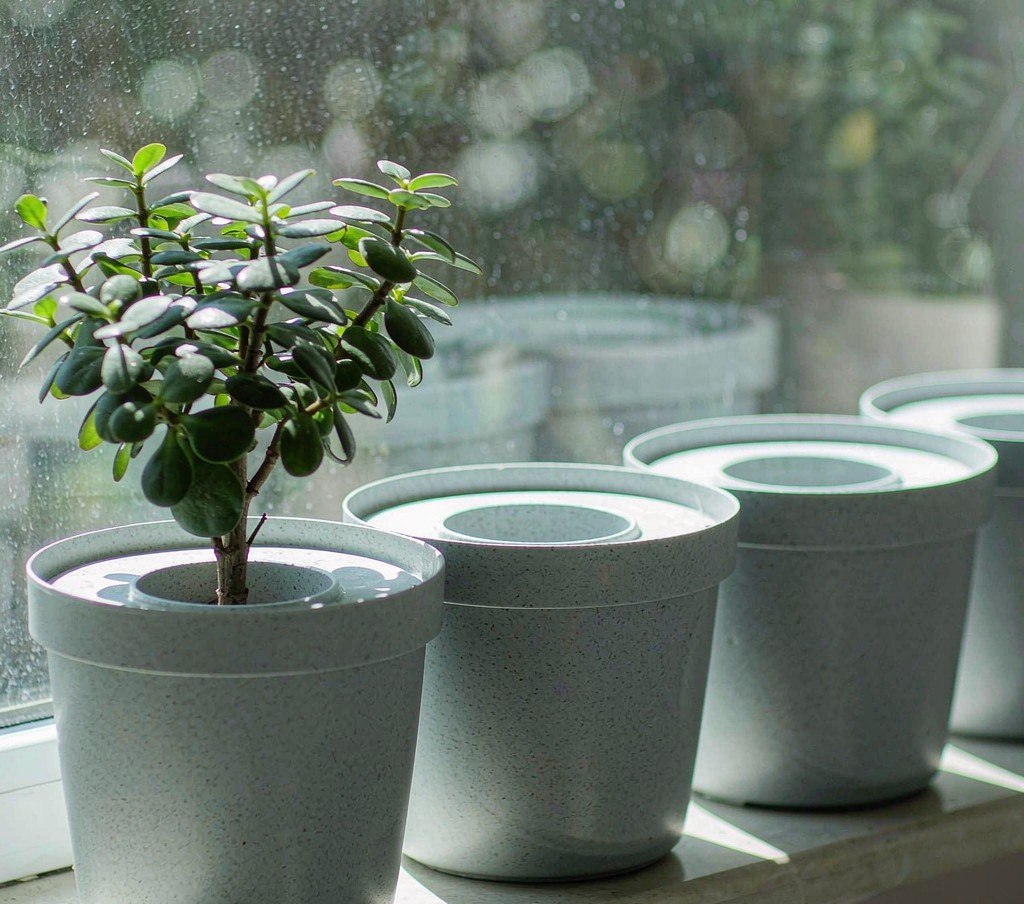
A self-watering pot is the other beginner win. The reservoir wicks water up to the soil on demand, which removes the daily guilt-trip of checking the surface. Pair it with one of the genuinely hard-to-kill houseplants for beginners and the new owner gets their first win inside a month. The T4U four-inch self-watering pot, four-pack fits small African violets, young seedlings, and the kind of starter plants people get for their first apartment. Who it is not for: anyone growing a monstera or fiddle leaf fig that needs a six-inch or larger pot, and anyone who actively likes the ritual of hand-watering every morning.
The busy person
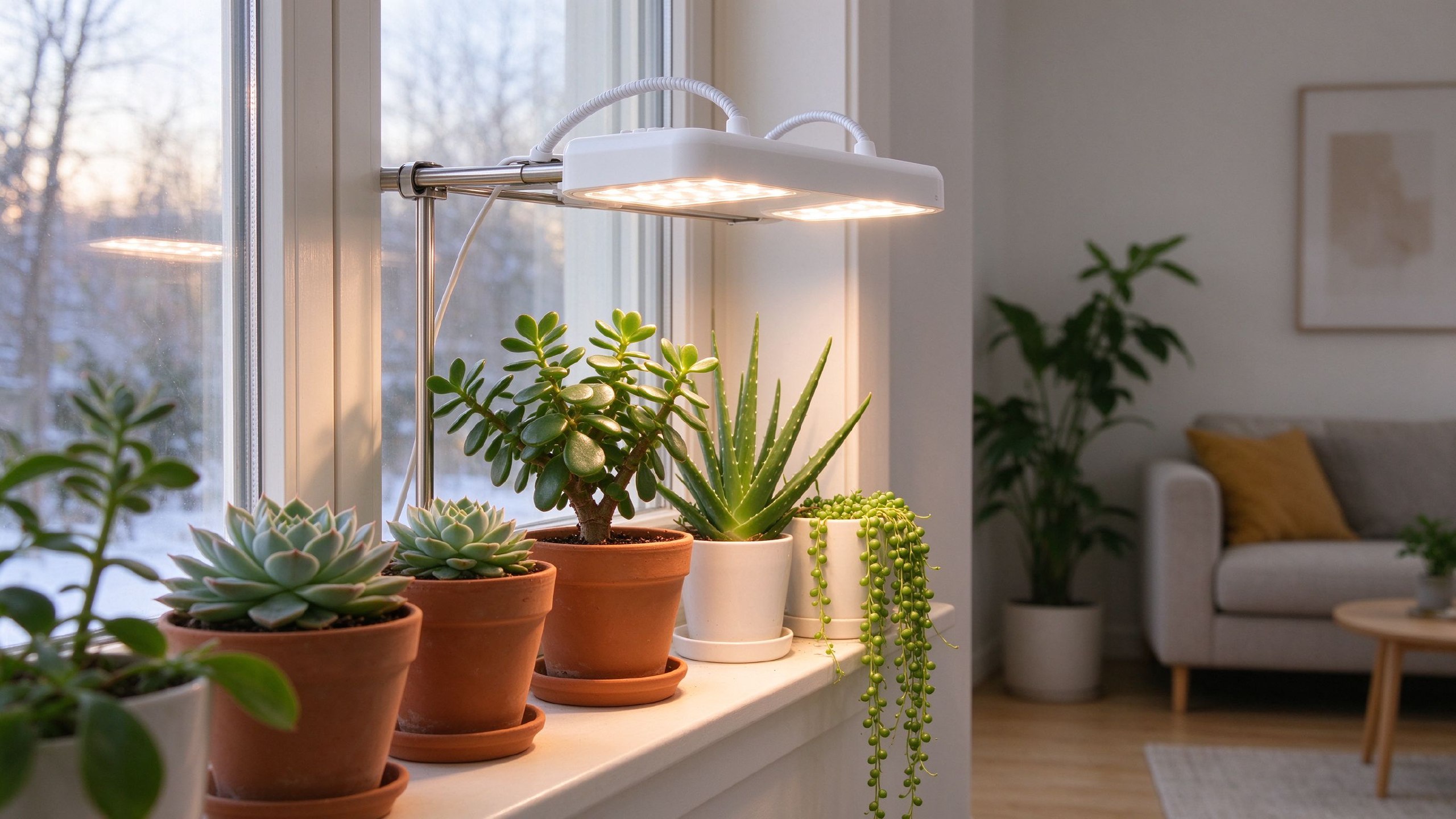
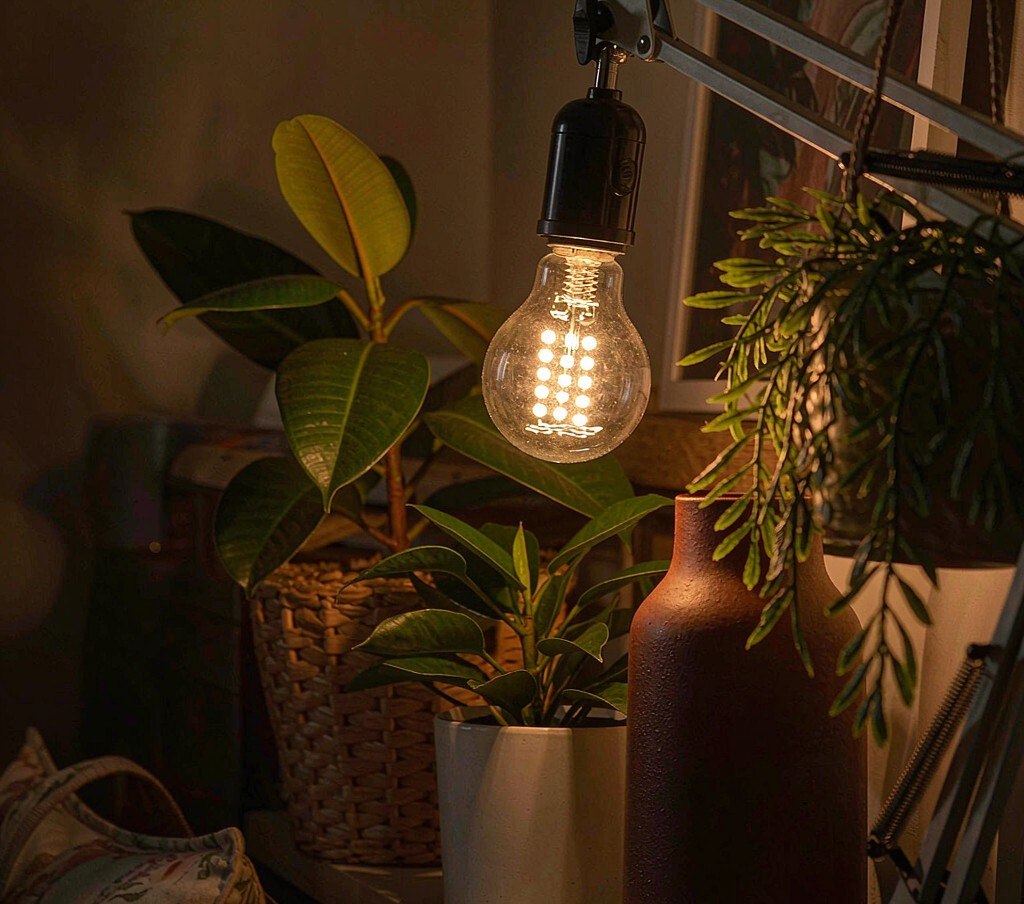
For someone whose plants live or die on their calendar, the gift is automation. Self-watering pots, a clip-on grow bulb that screws into a lamp they already own, or a basic outlet timer are all in this bucket. If their problem is dim windows rather than forgetfulness, the right pick is a bulb matched to their setup; our grow lights for indoor plants breakdown covers what to look for. The point is not to spoil them with luxury, it’s to remove the failure mode that happens when they forget to water for ten days straight.
Skip anything that asks them to remember a schedule. The gift should do the remembering for them.
The collector
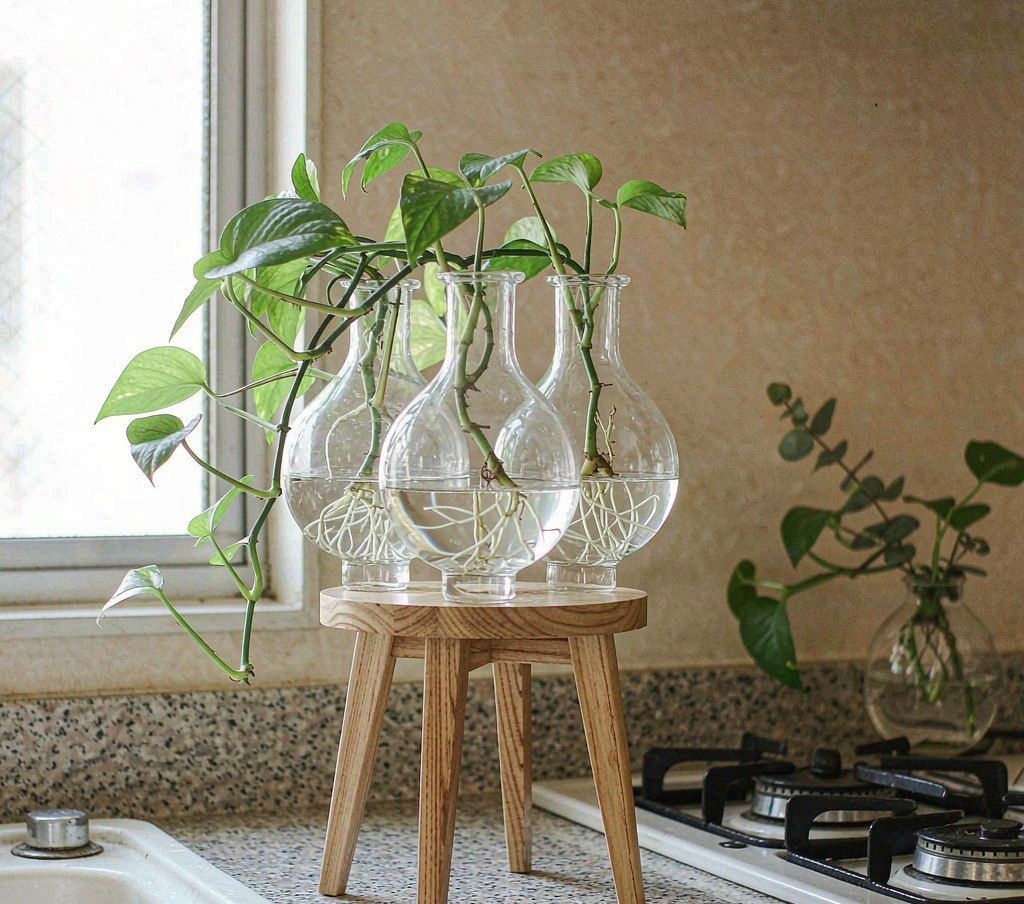
The person with thirty plants doesn’t need another pot. They need something that makes their existing setup work better: a spare propagation tube, a macrame hanger for a corner they haven’t filled, or a shelf upgrade. This is the hardest group to shop for, because they already own the obvious picks. The winning move is to notice a specific gap they’ve complained about (a sagging shelf, a corner with no light, a spot where nothing fits) and solve that exact gap.
What not to give
A few popular plant gifts cause more stress than joy. Skip them regardless of how festive they look on a store display.
A pot with no drainage hole. A plant sitting in trapped water is a slow death, and the recipient has to repot it immediately. A glazed ceramic bowl that looks pretty on Instagram is, in practice, a drowning cage.
A glued succulent arrangement. The plants can’t be moved, can’t be watered properly, and will etiolate in dim indoor light within weeks. The gift looks finished and is already failing. If you want to give succulents as a gift, send a rooted cutting plus a note pointing them to the easy succulents for beginners piece, and skip the pre-glued bowls entirely.
A poinsettia. It looks great for about eight weeks, then the bracts drop, and most people never get it to spring — keeping it is real work, and it’s easier to buy a new one next year. The recipient will feel like they killed it, even though it was never sold as a long-term plant.
A shipped live plant in December. The transit risk is real: cold snaps at distribution centers, trucks sitting overnight, dark boxes for three days. If you’re set on giving a live plant, give it in person from a local nursery, or wait until spring.
The Christmas timeline
Plant gift shopping has a calendar, and ignoring it is how you end up paying rush shipping on December 23.
Order tools, pots, and accessories by early December. They ship fine through cold weather, and you want them in hand before the holiday rush closes in. If you’re ordering anything that needs assembly, add a week.
If you’re set on sending a live plant by post, order it for arrival between late November and early December, not the week before Christmas. The later it ships, the colder the route and the longer the plant sits in a sorting facility.
Once the gift arrives at their door, the first two weeks do most of the deciding. Tell them to unpack it immediately, give it a week in a bright spot away from the heating vent before watering deeply, and let it acclimate before moving it to its permanent window. That stretch is when overcompensating does the most damage, not neglect.
FAQ
What’s the safest plant gift for a beginner?
Something that removes a decision they’ll get wrong. A self-watering pot, a sharp pair of bypass shears, or a moisture meter all fit. Avoid live plants, decorative bowls, and anything that requires a routine.
Should I send a live plant or an accessory?
For Christmas shipping, accessory. Live plants take real damage in cold transit, and the recipient will blame themselves when it declines. Accessories arrive intact and keep earning use long after the holiday.
My friend already has every tool. What do I get?
Notice a specific gap they’ve complained about: a dim corner, a shelf that sags, a spot with no outlet. Solve that gap. A generic gift for a collector is wasted; a targeted one is not.
When should I order plant gifts for Christmas?
Tools and accessories by early December. Live plants by late November at the latest. Anything later is a gamble on the weather and the postal service.
Disclosure: Some links in this post are affiliate links. If you buy through them, I may earn a small commission at no extra cost to you. See the full affiliate disclosure, and read how we research on our methodology page.